Fat Loss: Cardio or Weight Training? A Practical Way to Combine Both
Primary focus: fat loss, cardio, or weight training. The most useful answer is rarely a contest between two exercise types. Cardio can help build aerobic fitness and increase activity, while resistance training can support strength, muscle function, and confidence. A sustainable plan usually gives each type a clear role and adjusts the dose to the person, not to a dramatic promise.
Contents
Quick answer
Both cardio and weight training can support fat loss, but they do it through different pathways and create different demands. Cardio makes it easier to accumulate regular movement and can improve heart and lung fitness. Weight training helps you practice producing force, preserve or build muscle, and perform daily tasks with more confidence. Neither guarantees a specific rate of weight loss. The result depends on food intake, activity outside workouts, sleep, stress, medications, health, and how long the plan remains repeatable.
If you are starting from little activity, begin with the form that feels accessible and add the other in a small dose. A plan might include three comfortable walks and two brief full-body strength sessions, or two rides, two strength sessions, and one recovery day. The best choice is the one you can perform safely and repeat during ordinary weeks. Visit Strength and muscle for the home of this topic, and use Walking for a low-barrier aerobic option.
| Training type | Useful role | What to watch |
|---|---|---|
| Moderate cardio | Builds aerobic capacity and makes weekly movement easier to accumulate. | Impact, boredom, excessive fatigue, or using calories as permission to overeat. |
| Resistance training | Improves strength and supports muscle function through progressive loading. | Technique, joint comfort, recovery, and adding load too quickly. |
| Easy movement | Provides active recovery and reduces the all-or-nothing feeling around exercise. | Turning every easy day into another hard session. |
| Rest | Allows adaptation and keeps the next session possible. | Interpreting rest as failure or ignoring persistent pain. |
The different jobs of cardio and strength training
Cardio includes activities that raise breathing and heart rate for a sustained period, such as brisk walking, cycling, swimming, or jogging. It can be continuous or broken into smaller blocks. The CDC’s adult activity guidance uses at least 150 minutes of moderate activity each week as a general health benchmark, with muscle-strengthening activity on at least two days. That is a population guideline, not a pass-or-fail test. A person beginning from zero may need a smaller first step, while another person may need more activity for a particular goal.
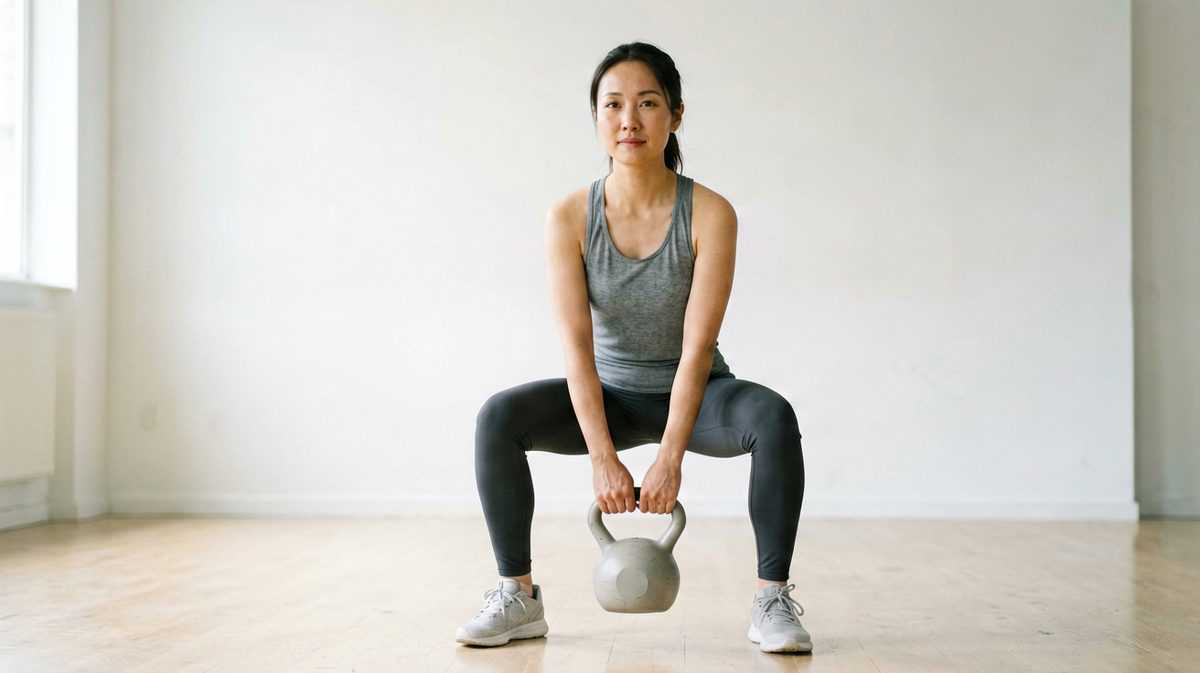
Resistance training includes lifting weights, using machines, working with bands, or using body weight. It is not only for people who want to look muscular. Stronger legs, hips, back, chest, shoulders, and arms can make work, stairs, carrying, and recreational movement easier. Muscle responds to repeated practice and appropriate challenge, but a training plan cannot control exactly how a person’s body changes. Genetics, age, training history, food, sleep, and health all influence adaptation.
For fat loss, the key difference is not that one form “burns fat” while the other does not. The key difference is how each changes the weekly pattern. A brisk walk may be easy to repeat five times. A full-body session may take less time but require more recovery. A hard interval ride may feel efficient but may not be appropriate every day. Match the tool to the problem. If the barrier is time, use short sessions. If the barrier is boredom, vary routes. If the barrier is fear of the gym, begin with bands or home movements.
Exercise also supports health beyond body weight. Regular movement can improve mood, sleep, mobility, and cardiovascular health. The benefits of physical activity are not erased when the scale moves slowly. This matters because a plan built only around visible weight change can feel like failure during normal fluctuations. Build a reason to train that would still matter if the scale were unavailable for a month.
Choose a priority without ignoring the other
Start by naming the outcome you want to improve. If you become breathless on stairs, prioritize easy-to-moderate aerobic work. If carrying groceries is difficult or you want to feel more stable, prioritize full-body strength. If both are important, alternate emphasis so each session remains manageable. Prioritizing does not mean excluding. It means knowing what you are practicing this week.
Use the minimum effective version. For cardio, that might be three twenty-minute walks. For strength, it might be two sessions with a squat or sit-to-stand, a hip hinge, a push, a pull, and a loaded carry or core movement. The exact exercise depends on equipment, mobility, and experience. Begin with a load that allows controlled repetitions and stop with a little reserve rather than forcing failure.
Choose a schedule that protects recovery. For example, a Monday strength session, Tuesday easy walk, Wednesday rest or mobility, Thursday strength session, Friday cardio, Saturday optional outdoor movement, and Sunday rest can work. Another person may need shorter sessions spread across more days. The schedule is a draft. If soreness or sleep shows that the dose is too high, change the dose before blaming motivation.
A practical sample week
Monday: full-body strength. Warm up with easy movement. Perform two or three rounds of a sit-to-stand or squat variation, a hip hinge, a wall or incline push-up, a band or cable row, and a carry or gentle trunk exercise. Use a slow, controlled tempo and rest between movements. The session should feel purposeful, not punishing.
Tuesday: comfortable cardio. Walk, ride, or swim at an effort where conversation remains possible. Keep the route or equipment simple. If you have limited time, divide the session into two ten-minute blocks. The purpose is to accumulate practice and notice how your body responds.
Wednesday: recovery. Take a rest day or use light mobility. Recovery is part of training because it helps you arrive at the next session ready to learn. A short walk can be recovery if it stays easy. It becomes another training session when you keep increasing pace and duration.
Thursday: strength with a small variation. Repeat the main movement patterns and change only one thing, such as one additional repetition, a slightly heavier load, or a different angle. Keep technique and joint comfort as the boundaries. If the first strength session caused excessive soreness, repeat the same dose instead of progressing.
Friday: aerobic choice. Pick the cardio mode you enjoy or can access. A stationary bike, outdoor route, swim, or treadmill all work. Use a few short, controlled pace changes only if you recovered well and can keep breathing under control.
Weekend: flexible movement and review. Take an easy walk, complete a practical activity, or rest. Review what was repeatable and what created friction. The next week should reflect what you learned, not what a perfect schedule would have looked like.
Progression, recovery, and plateaus
Progress one variable at a time. In cardio, change duration, frequency, terrain, or pace, but not all four together. In strength, change repetitions, sets, load, range of motion, or exercise complexity, one at a time. Write the change down. If performance improves while pain and recovery remain stable, keep it. If sleep, mood, appetite, or joint comfort worsens, reduce the dose.
Delayed soreness is common when a new activity begins, but severe pain, swelling, numbness, dizziness, chest symptoms, or a change in movement deserves attention. Do not train through warning signs to prove commitment. A qualified coach, physical therapist, or clinician can help distinguish normal adaptation from an issue that needs assessment.
A weight plateau does not automatically mean you need more exercise. Review measurement, portions, liquid calories, weekends, sleep, stress, medication, and training recovery. If your plan already causes constant hunger or exhaustion, adding more work may be the wrong direction. A calmer review can protect consistency and identify an adjustment that is small enough to repeat.
Food and training support
Exercise and food work together, but the relationship is not a bargain in which every workout earns a specific amount of food. Build meals that support your preferences, budget, culture, and health needs. Include enough protein and produce when those foods suit you, and use a carbohydrate or fat pattern that matches your training and medical context. People following keto or lower-carbohydrate approaches should pay attention to hydration, fiber, and how energy feels during exercise rather than assuming that more restriction is better.
Eat before training if it improves comfort and performance, especially when you are hungry or the session is long. Others prefer a lighter session before a meal. There is no universal rule that determines whether cardio or strength must happen fasted. After training, return to a normal meal pattern rather than chasing an exact “anabolic window.” If you have diabetes, take glucose-lowering medication, are pregnant, or have another condition that changes exercise nutrition, get individual guidance.
Questions readers ask
Which is better for fat loss, cardio or weights?
Neither is universally better. The best option is the one that supports a safe, sustainable weekly pattern. Many people benefit from combining both so they can develop fitness and strength without overloading one activity.
Can strength training make the scale go up?
Training, inflammation, glycogen, food volume, and water can change scale weight temporarily. Use a trend and include performance, measurements, energy, and how clothing fits. A scale change alone cannot explain body composition.
How many days should a beginner exercise?
Start with a manageable number of sessions and include rest. Two strength sessions and several easy movement opportunities can be a reasonable framework, but the correct starting point depends on health, schedule, fitness, and recovery.
Do I need a gym?
No. Bands, body weight, dumbbells, machines, and household routes can all support training. The important features are appropriate challenge, controlled technique, progression, and enough recovery.
Related reading
Continue with Strength and muscle, then use Walking or Routines to make the week more repeatable. For calorie estimates and decision aids, visit Tools. Read the Editorial policy and Disclaimer for the site’s editorial boundaries.
Editorial note: This article is general education, not individualized medical, dietetic, or fitness advice. Seek qualified guidance for chronic conditions, injury, pregnancy, medication-related exercise questions, eating-disorder concerns, or symptoms such as chest pain, fainting, or severe shortness of breath.