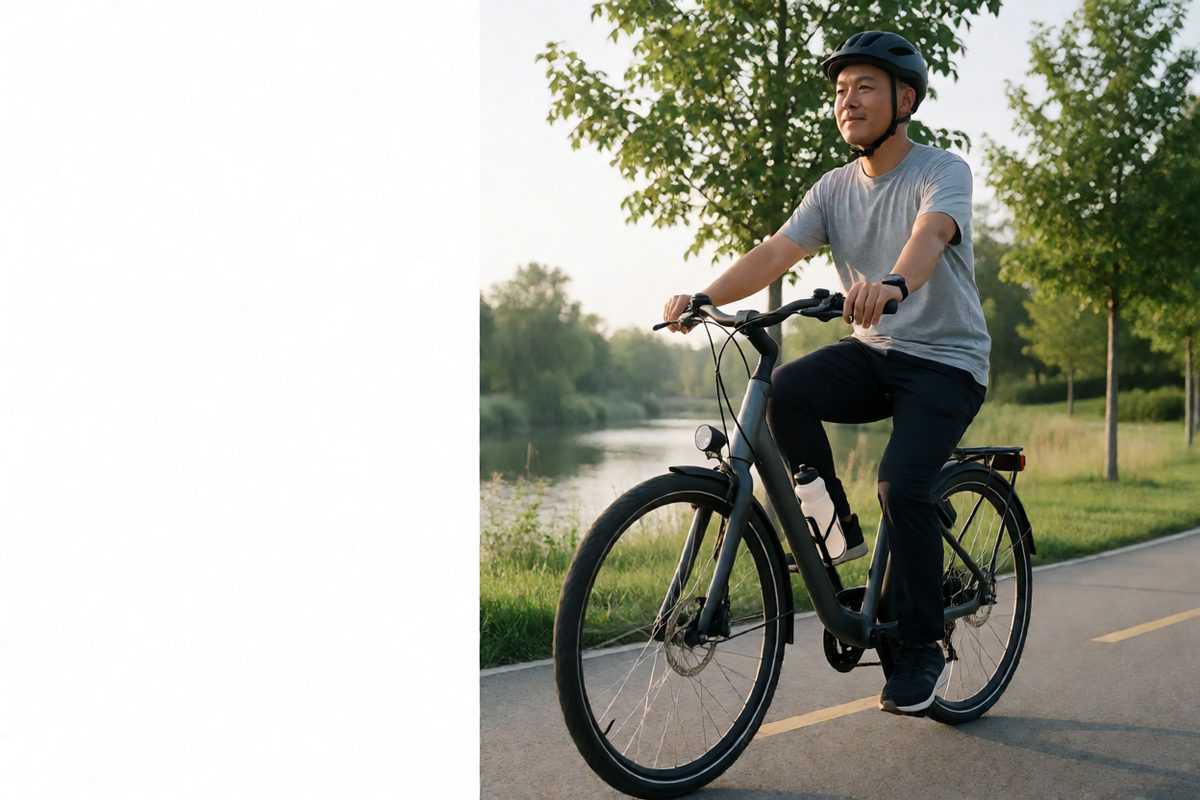
Bicycle and Weight Loss: How to Build a Sustainable Riding Routine
Primary focus: bicycle and weight loss. Cycling can be a practical way to add aerobic activity, but the most useful plan is the one that fits your current fitness, schedule, equipment, terrain, and recovery. The bicycle is a tool for building a repeatable routine, not a promise that a particular distance or calorie display will produce a fixed result.
Contents
Quick answer
Yes, bicycle riding can support weight loss when it helps you use more energy, spend less time sitting, and maintain a food pattern that suits your needs. It is not necessary to ride at a punishing pace. A comfortable ride that happens several times each week can be more valuable than a heroic session that leaves you sore and makes the next week impossible. Start with time and comfort, then progress one variable at a time.
For many adults, moderate intensity feels like breathing faster while still being able to speak in short sentences. A casual ride may be moderate for one person and light for another, depending on hills, wind, fitness, body size, and bike setup. Use effort and recovery as guides rather than treating a device estimate as a precise measurement. The CDC notes that adults benefit from regular aerobic activity and at least two days of muscle-strengthening activity each week, but individual needs and safe starting points vary.
Use Walking as a low-equipment companion on days when riding is inconvenient, and visit Strength and muscle for ideas that support posture, legs, hips, and trunk control. A mixed plan can make your week more resilient than relying on one activity alone.
| Decision | Conservative starting point | Review question |
|---|---|---|
| Frequency | Two or three rides each week with rest between harder sessions. | Can I repeat this during a busy week? |
| Duration | Twenty to thirty minutes, including an easy warm-up and cool-down. | Do I finish with enough energy to recover? |
| Intensity | Mostly comfortable effort with brief, optional changes in pace. | Can I control breathing and posture? |
| Progression | Add a few minutes or one gentle hill, not everything at once. | What single change will teach me the most? |
Why cycling can fit a weight-management plan
Cycling has several practical advantages. It can be easier on some joints than repeated running, it can make a commute more active, and it can turn exercise into a route with a clear beginning and end. A stationary bike removes weather and traffic barriers. A regular bicycle can also provide variety: short errands, a relaxed weekend ride, and a planned training session can all count as movement without feeling identical.
The main benefit for weight management is not a special metabolic effect. It is the opportunity to create a consistent energy-use pattern while supporting fitness and mood. Weight change also depends on food intake, sleep, stress, medication, health, and how the body adapts over time. A hard ride does not cancel out every other factor, and a light ride is not pointless. The best plan treats the ride as one repeatable part of a broader week.
Choose a reason that is more specific than “burn calories.” You might want to ride to work once each week, build confidence on a local trail, improve cardiovascular fitness, spend time outdoors, or make movement feel less like punishment. A clear reason helps you keep going when the scale is noisy. It also reduces the temptation to extend every session simply because a display shows a lower number than expected.
If you are new to exercise, have a chronic condition, take medicines that affect heart rate or blood sugar, or have a history of pain or injury, ask a qualified professional how to begin. Stop and seek help for chest pain, fainting, severe shortness of breath, unusual weakness, or pain that changes your movement. Safety is not a barrier to progress; it is what makes progress possible.
Choose a safe and realistic setup
Bike fit affects comfort and consistency. The saddle should support you without forcing the knees into an extreme position, the handlebars should let you maintain relaxed shoulders, and your feet should stay stable on the pedals. You do not need an expensive performance bicycle to begin, but a poorly adjusted bike can turn a short ride into neck, knee, wrist, or back discomfort. If possible, ask a knowledgeable shop or coach to check the setup.
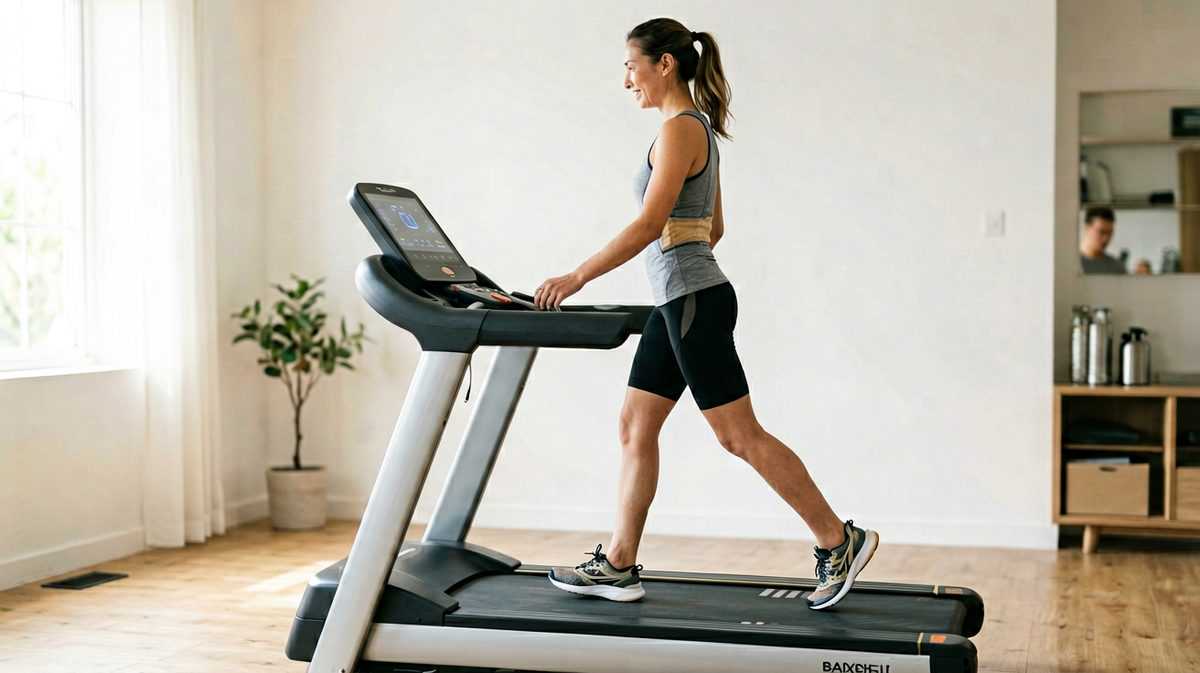
Wear a properly fitted helmet, use lights when visibility is low, and choose routes that match your confidence. A flat path with fewer crossings may be better than a scenic road with stressful traffic. On a stationary bike, set the screen at a comfortable height, keep a water bottle nearby, and make sure the resistance is low enough for a controlled start. Make the first five minutes easy; they are part of the session, not wasted time.
Prepare the barrier before it stops you. Keep the bike accessible, check tire pressure, charge lights, place a lock near the door, and pack a small repair kit if you ride outside. Decide what you will do when it rains, the air quality is poor, or the schedule changes. Your fallback may be a short indoor ride, a walk, mobility work, or a rest day. A plan with a fallback is more realistic than a plan that assumes perfect weather.
A four-week progression
Week one: learn the route. Ride twice for twenty to thirty minutes at a comfortable pace. Keep the resistance and terrain familiar. Notice saddle comfort, breathing, hand position, and how you feel later in the day. The goal is to finish with a sense that another ride is possible. If you are completely new, use shorter blocks with easy pedaling between them.
Week two: add a third touchpoint. Keep two easy rides and add a short third ride or an active errand. Do not turn all three rides into tests. If your legs remain unusually sore, your sleep worsens, or your motivation collapses, repeat week one. Progression should create useful adaptation, not a constant recovery debt.
Week three: vary one element. Choose either a few minutes of extra riding, a gentle incline, or several short changes of pace. For example, after warming up, ride slightly faster for one minute and easy for two minutes, repeating three times. Keep the change small enough that posture and breathing stay controlled. If hills are difficult, use a lower gear and maintain a steady cadence rather than forcing a heavy push.
Week four: consolidate. Repeat the version that felt most sustainable and review what made it easy or difficult. You may decide to keep the same duration for another month, add one modest increase, or switch one ride to walking or strength work. Consolidation is not a lack of ambition. It gives the body and schedule time to make the behavior normal.
Fuel, hydration, and recovery
Most casual rides do not require special sports products. Eat ordinary meals that match your preferences and medical needs, and avoid using a ride as permission to skip food all day and then become ravenous at night. A meal containing protein, produce, and a satisfying carbohydrate or fat source can support recovery; the exact balance depends on your eating pattern, ride length, intensity, and health.
Hydration needs vary with heat, humidity, sweat, clothing, and duration. Bring water for longer or warmer rides, but do not force large amounts simply because an app recommends a number. If you have kidney, heart, or endocrine conditions, ask a clinician about fluid and electrolyte needs. Dizziness, headache, confusion, or persistent nausea is a reason to stop and address the situation rather than to push harder.
Recovery includes sleep, easy days, enough food, and attention to pain. Muscle fatigue can be expected when a new activity begins; sharp pain, swelling, numbness, or pain that changes your pedaling pattern deserves a different response. Reduce the load, check the equipment, and get professional help when needed. Two rides performed well with recovery may teach you more than five rides squeezed together.
Measure progress without chasing numbers
Use a small set of measures. You could record ride duration, perceived effort, route comfort, recovery by the next day, and whether you completed the planned session. If weight is one of your goals, review a trend over time rather than reacting to one reading. Water, sodium, meal timing, bowel habits, menstrual-cycle changes, and travel can alter the scale without reflecting fat change.
Be skeptical of calorie displays. They can be useful for comparing one ride with another, but they are estimates based on assumptions about body size, effort, equipment, and sensor accuracy. Do not eat back an exact number automatically and do not punish yourself because the estimate seems small. The value of cycling also includes fitness, transportation, mood, sleep, and the confidence that comes from keeping a promise to yourself.
Every two weeks, ask: Did I ride as often as planned? Was the route safe? Did my body recover? What caused missed sessions? What is the smallest helpful adjustment? If the answer is that the bike is inconvenient, move it closer to the front door. If the route is stressful, change the route. If the session is too long, shorten it. This is problem solving, not failure.
Questions readers ask
How long should I ride a bicycle to lose weight?
There is no universal time that guarantees a result. Start with a duration you can repeat, often twenty to thirty minutes, and gradually build total weekly activity as your comfort and recovery allow. Food intake and individual health factors also matter.
Is outdoor cycling better than a stationary bike?
Neither is automatically better. Outdoor riding can make movement enjoyable and practical, while a stationary bike can reduce weather and traffic barriers. Choose the option you are most likely to use consistently.
Should every ride be hard?
No. Most beginners benefit from mostly comfortable riding with occasional, controlled changes. Hard efforts require more recovery and are not necessary for every session.
What if my knees hurt?
Stop forcing the movement, check bike fit and resistance, and seek qualified assessment if pain persists or changes your mechanics. Do not interpret pain as proof that the workout is working.
Related reading
Pair cycling with walking routines for flexible low-equipment movement, then read Strength and muscle for resistance-training ideas. For meal and schedule structure, visit Routines. Use Tools for estimates with appropriate limits, and review the Disclaimer for the site’s health-information boundaries.
Editorial note: This article is general education, not individualized medical, dietetic, or fitness advice. Start gradually, follow local road-safety rules, and seek qualified guidance for medical conditions, injury, pregnancy, medication-related exercise questions, or concerning symptoms.